How to Turn Dead Content Into High-Ranking Pages

Dead content refers to webpages or articles that no longer attract meaningful traffic, engagement, or search visibility. This often happens when information becomes outdated, search intent changes, or competing pages provide more relevant material. Content may also decline due to weak structure, poor keyword targeting, or a lack of ongoing updates. Even pages that once performed well can lose visibility over time if they no longer align with current search behavior. Understanding why content stops performing is the first step in transforming underperforming pages into valuable search assets again.
Identifying Pages With Hidden Ranking Potential
Not all low-performing pages are without value. Some content already has search history, backlinks, or topical relevance that can be improved rather than replaced. Reviewing older pages helps identify opportunities where the foundation is still useful but requires updates. Content with declining traffic, outdated information, or weak engagement metrics often contains untapped potential. By identifying which pages still reflect active search demand, websites can focus optimization efforts on improving existing authority rather than creating entirely new content from scratch.
Updating Content to Match Current Search Intent
Search intent evolves as users begin seeking different types of information on the same topic. A page that once ranked well may lose visibility if it no longer meets users’ expectations today. Refreshing dead content involves aligning it with current intent by improving relevance, clarity, and depth. This may include expanding explanations, refining headings, or adjusting the article’s overall direction. Search engines increasingly prioritize pages that directly satisfy user expectations, making intent alignment one of the most important parts of content revival.

Improving Structure and Readability
Content structure strongly influences both user engagement and search engine interpretation. Older pages often suffer from poor formatting, poorly organized headings, or large, unreadable text blocks. Updating the structure makes information easier to scan and understand. Clear headings, logical flow, and readable paragraphs improve the overall visitor experience. Better organization also helps search engines understand the relationships between topics within the page. These structural improvements can significantly increase the effectiveness of existing content without changing the core subject matter.
Strengthening Authority Through Fresh Information
Search engines favor content that appears current, accurate, and trustworthy. Dead content often lacks updated examples, recent insights, or modern relevance. Adding fresh information helps restore credibility and demonstrates that the page remains actively maintained. This process may involve revising outdated references, improving explanations, or expanding sections that previously lacked detail. Freshness signals can improve how search engines evaluate a page’s value relative to competing results. Maintaining updated information is therefore essential for long-term ranking recovery.
Turning dead content into high-ranking pages involves identifying underperforming articles with potential, updating them to match current search intent, improving readability, and adding fresh, relevant information. These changes help restore value for both users and search engines by making the content more useful and competitive. Instead of abandoning old pages, strategic optimization can transform them into stronger assets that support long-term search visibility. Understanding this process highlights the importance of maintaining and improving existing content over time.…



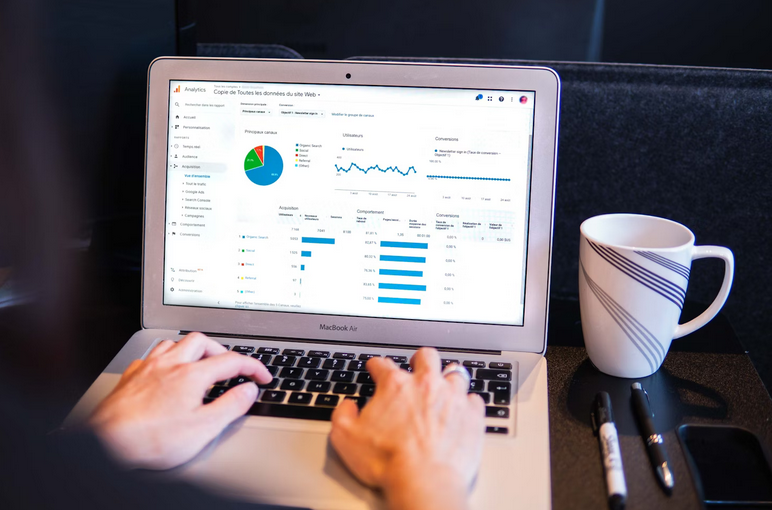
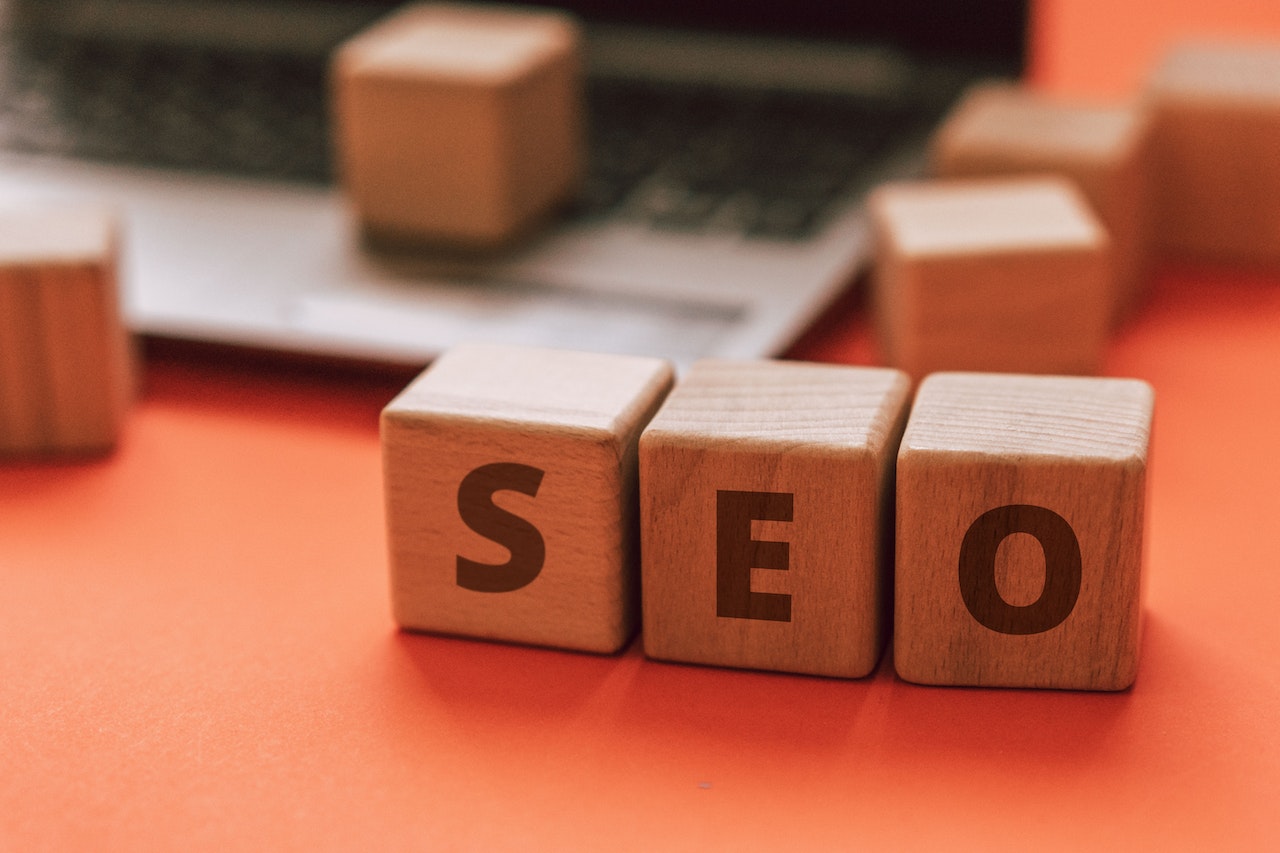
 One of the most obvious benefits of using SEO is that it can help increase the traffic to your website. This is because your website will rank higher in search engine results pages (SERPs) when you use SEO. And when your website ranks higher, more people will see it. More importantly, though, is that SEO can help you get more targeted traffic.
 Another great benefit of using SEO is that it can help build credibility and reputation. This is because people will see your website as more credible and trustworthy when you rank higher in SERPs. After all, if your website is one of the first results for a search, it must be good, right? In addition, having a strong SEO strategy can help you get featured in Google’s Local Pack, which is the box that appears with three local businesses when someone searches for something like “pizza near me.” Being featured in the Local Pack is a great way to build your credibility since it shows that Google trusts your business.
 Lastly, SEO can improve the user experience on your website. This is because when you use SEO, you can ensure that your website is optimized for users. Your website will load quickly, be easy to navigate, and have relevant and high-quality content. And when your website is easy to use and has great content, people are more likely to stay on your site and continue using it. Experts believe that the average person spends about 15 seconds on a website before deciding whether or not to stay on it.